

RTU Remote Telemetry Units in Flash Flood Early Warning Systems
Application: Flash Flood Monitoring | Hydrological Data Acquisition | Remote Telemetry | Flood Early Warning | Industrial RTU
1. How RTUs Work in Flash Flood Monitoring Systems
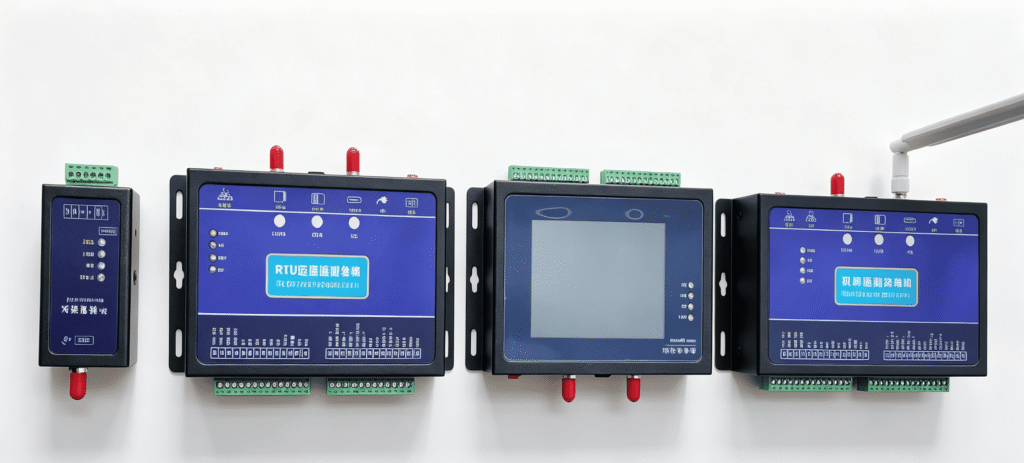
A Remote Telemetry Unit (RTU) is a multifunctional data acquisition and communication device widely used in water conservancy and hydrological monitoring applications.
Equipped with a processor and communication interfaces, an RTU connects to various hydrological sensors, including:
- Rain gauges: Measure rainfall and rainfall intensity.
- Water level sensors: Monitor changes in river water levels.
- Flow meters: Measure flow velocity or flow rate, depending on the instrument.
The RTU receives sensor signals, processes the collected data, and transmits the results to a remote data center or cloud-based monitoring platform through supported communication networks such as 4G, LoRa, or satellite communication.
In flash flood early warning systems, this data transmission chain helps maintain timely and consistent access to field measurements. Depending on the system configuration and communication conditions, data can be updated within seconds, enabling much faster access to monitoring information than manual readings.
2. RTU Integration into Flash Flood Early Warning Networks
RTUs serve as key field data acquisition and communication nodes in flash flood monitoring networks.
A typical deployment may include multiple monitoring stations located at upstream and midstream river sections, critical river cross-sections, and catchment areas.
After receiving signals from connected sensors, an RTU can perform data preprocessing, such as noise filtering, and support configured data evaluation and alarm functions.
When rainfall or water levels exceed predefined thresholds, the system can trigger alarms and send notifications to the monitoring center. Where supported, the system can also integrate with video acquisition equipment, such as cameras, to provide visual information from the field and help emergency personnel assess the situation.
This automated process reduces dependence on manual intervention and can shorten the time required to identify and respond to potential flood risks.
In a comprehensive flash flood warning network, multiple RTUs can be deployed across a watershed to provide distributed monitoring coverage and improve visibility into changing hydrological conditions.
3. Practical Applications of RTUs in Flash Flood Early Warning
3.1 Flash Flood Monitoring in High-Risk Mountain Rivers
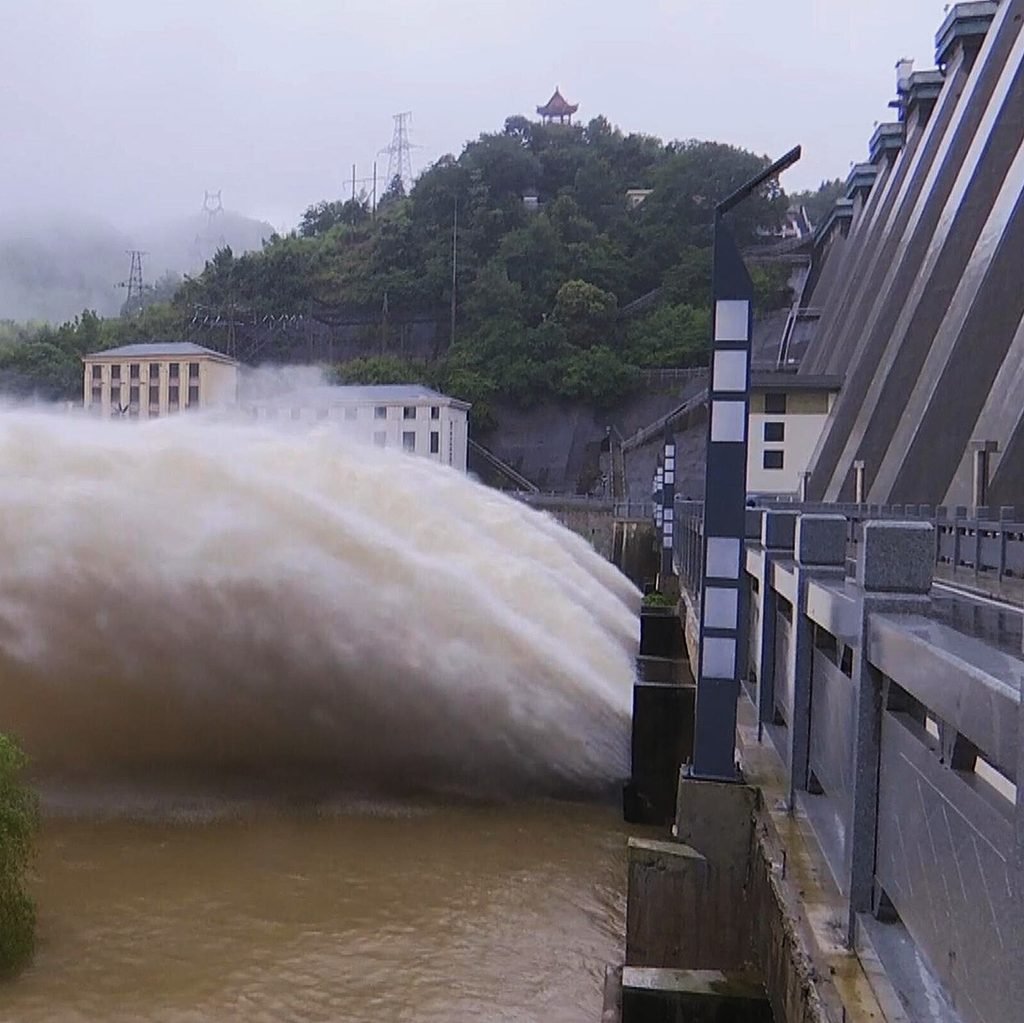
In mountainous river basins with elevated flash flood risks, RTUs act as field data acquisition and communication hubs.
Installed at bridges, riverbanks, or dedicated monitoring stations, RTUs connect to nearby hydrological sensors and collect data during changing weather and river conditions.
During heavy rainfall, rain gauges record rainfall intensity while water level sensors track rising river levels. The RTU and the connected monitoring platform can evaluate the incoming data against configured thresholds and identify potentially abnormal conditions, such as rapid rainfall accumulation or an unusually fast rise in water level.
When alarm conditions are met, the system can notify local authorities through supported channels, such as SMS, mobile applications, or audible and visual alarms.
Timely warnings can provide additional time for emergency response, evacuation planning, and the implementation of flood-control measures. The actual warning lead time depends on the catchment characteristics, sensor placement, communication performance, rainfall patterns, and the design of the warning system.
3.2 Flash Flood and Drainage Monitoring in Urban Fringe Areas
In hilly areas surrounding cities, RTUs can be integrated with drainage and water management infrastructure to support flood risk assessment.
For example, an RTU may connect to weir flow measurement instruments and pore pressure sensors to monitor discharge and groundwater pressure in selected locations.
By consolidating measurements from multiple sensors, the monitoring system can help operators assess changing drainage conditions and potential flood risks.
Where the control system and equipment support automated operation, monitoring results and predefined control logic can also be used to coordinate gates or pumping stations.
This approach can improve situational awareness, support faster operational decisions, and reduce the need for continuous manual attendance at remote monitoring points.
3.3 Remote Monitoring in Unattended and Mountainous Locations
Remote and mountainous monitoring sites often present challenges related to power availability, difficult access, and weak mobile network coverage.
RTUs designed for low-power operation can be deployed with solar power systems and suitable battery storage to support long-term unattended monitoring, subject to the equipment configuration and local environmental conditions.
Data can be transmitted through available communication networks, LoRa gateways, or satellite communication equipment where supported by the system design.
For locations with limited terrestrial network coverage, an appropriately designed communication architecture can help maintain access to field measurements and improve the timely delivery of warning information.
Environmental protection, power management, communication reliability, and data storage capabilities should be considered when selecting equipment for these installations.
4. From Data Acquisition to Early Warning Response
An effective flash flood monitoring system combines field sensors, RTUs, communication networks, data processing, monitoring platforms, and alarm mechanisms.
The typical workflow includes:
- Data acquisition: Collect rainfall, water level, flow, and other relevant hydrological measurements.
- Data processing: Perform supported preprocessing, validation, and threshold evaluation.
- Data transmission: Send field measurements to the monitoring center through available communication networks.
- Risk identification: Evaluate monitoring results against predefined thresholds or configured warning rules.
- Alarm notification: Deliver warnings to relevant personnel through supported communication channels.
- Emergency response: Provide monitoring information to support operational decisions and the implementation of response procedures.
Through scenario-based testing and emergency drills, operators can evaluate the effectiveness of the monitoring and alarm workflow and improve preparedness for potential flash flood events.
An RTU is therefore more than a data collection device. It is an important field component supporting the timely delivery of hydrological information for monitoring, analysis, and early warning.
5. Hu Entropy Tech RTUs for Remote Hydrological Monitoring
Hu Entropy Tech provides industrial RTUs, data acquisition equipment, and customized monitoring hardware for infrastructure, water resources, and industrial IoT applications.
Depending on the selected model and system configuration, relevant capabilities may include:
- Hydrological sensor data acquisition
- 4G and other supported communication interfaces
- RS485 and supported industrial communication protocols
- Remote data transmission to monitoring platforms
- Data storage and retrieval, where supported
- Integration with external sensors and third-party systems
- OEM/ODM hardware and communication protocol customization
For flash flood early warning projects, equipment selection should consider sensor compatibility, sampling requirements, communication coverage, power supply, environmental protection, alarm architecture, and integration with the existing monitoring platform.
Looking for RTU hardware for flash flood monitoring or remote hydrological data acquisition?
Contact Hu Entropy Tech to discuss your sensor interfaces, communication requirements, and OEM/ODM hardware needs.
Website: https://huentropytech.com/